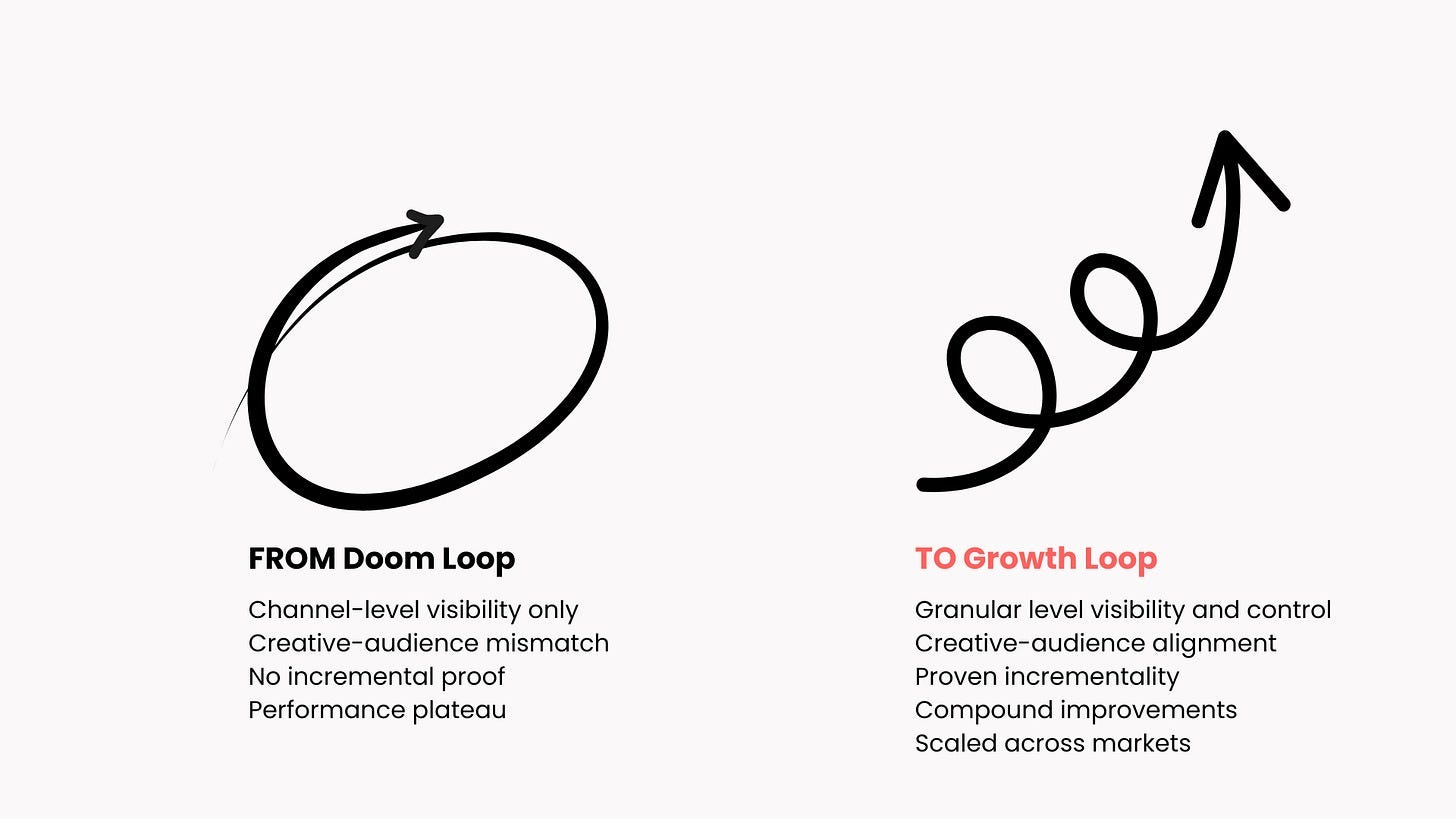
Fig. 1.1
The difference between a stagnating digital account and a compounding growth engine is rarely found in platform algorithms. It is found in the operational structure.
A year ago, WARC coined the term the “Doom Loop1” to describe a specific failure in modern strategy: the tendency for brands to retreat into narrow, highly measurable performance tactics when under pressure for immediate returns. As illustrated in Fig 1.1, this retreat creates a temporary illusion of efficiency while ultimately leading to a performance plateau. Escaping this cycle requires a shift toward the ‘Growth Loop’, a system built on granular visibility and proven brand incrementality.
The Technical Barriers to Proving Brand Value
Transitioning from the plateau shown in Fig 1.1 to a compounding system requires addressing three structural hurdles. These are not merely “silos”; they are the primary points of failure in the marketing equation. In the absence of a unified system, these hurdles act as friction that prevents brand investment from being recognised as a performance driver:
- Taxonomy Fragmentation (The Insights Barrier): Platforms like Meta and Google use non-standardised audience definitions. This breaks the Insights variable in the equation, preventing us from seeing the user journey as a single category-level experience.
- Creative-Audience Mismatch (The Creative/Media Barrier): This represents a failure of Creative x Media alignment. Broad audiences are frequently targeted with performance-heavy creative, which fails to build the long-term memory structures (for the chosen Category Entry Points) required for brand investment to “feed” the performance funnel.
- Measurement Opacity (The Strategy Barrier): Individual channels often claim credit for the same conversion. Without the structural rigour to isolate variables, specifically separating “Category Interests” from “In-Market Intent”, the true Strategy behind growth remains obscured.
Mapping the Audience Mindset across Platforms
To move beyond basic demographics, digital targeting must reflect the user’s proximity to a purchase. Aligning media buying strategies with creative intent requires a structured approach:
Brand (Category Level): Focusing on broad interests, such as “fitness” or “wellness”, to secure a place in the consumer’s long-term memory before they enter a buying window.
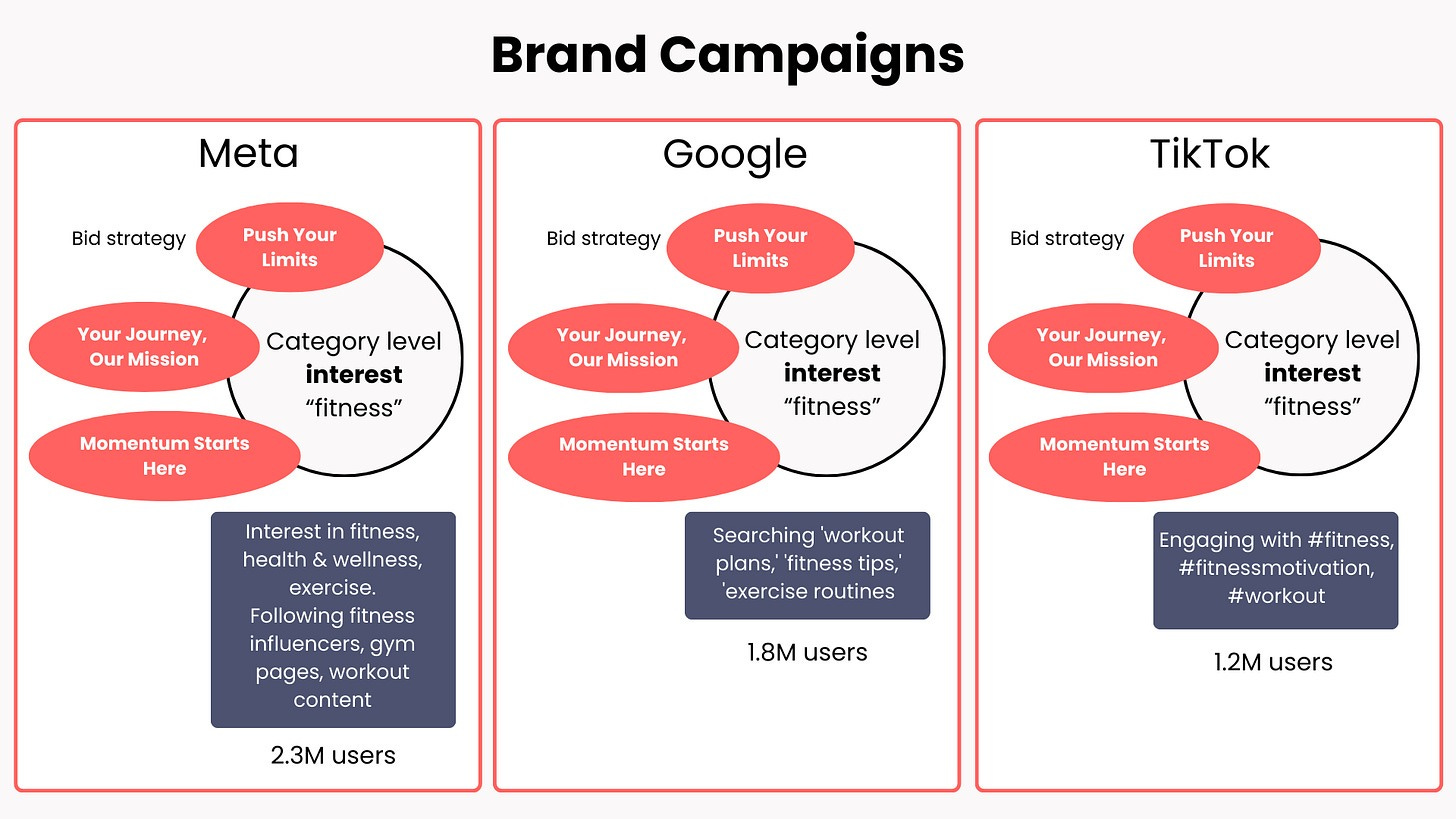
Fig. 1.2 This image demonstrates the “Brand” layer of the framework, showing how category-level interests (e.g., “fitness”) are standardised across different platform bidding environments.
Performance (In-Market): We target specific purchase behaviours and in-market signals, such as users searching for “marathon training shoes”. These signals allow us to capture the demand previously created by our brand activity.
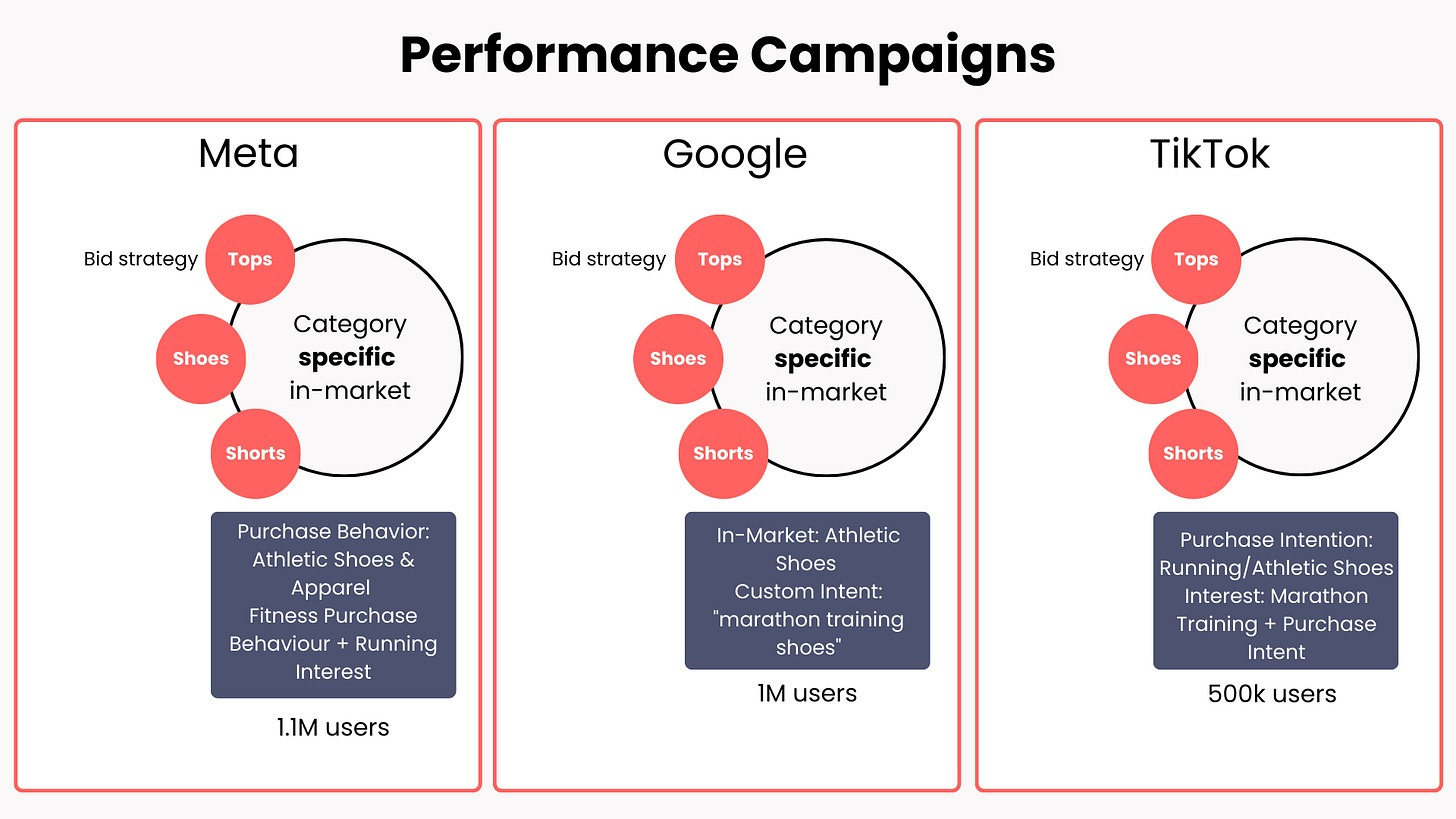
Fig. 1.3 This image illustrates the “Performance” layer, focusing on in-market signals and specific purchase behaviours that captures the demand created by the brand activity shown in the previous visual.
The Role of Unified Measurement
True measurement is not an isolated post-campaign activity; it is the output of a unified system where Insights, Strategy, Creative, and Media operate as a single equation.
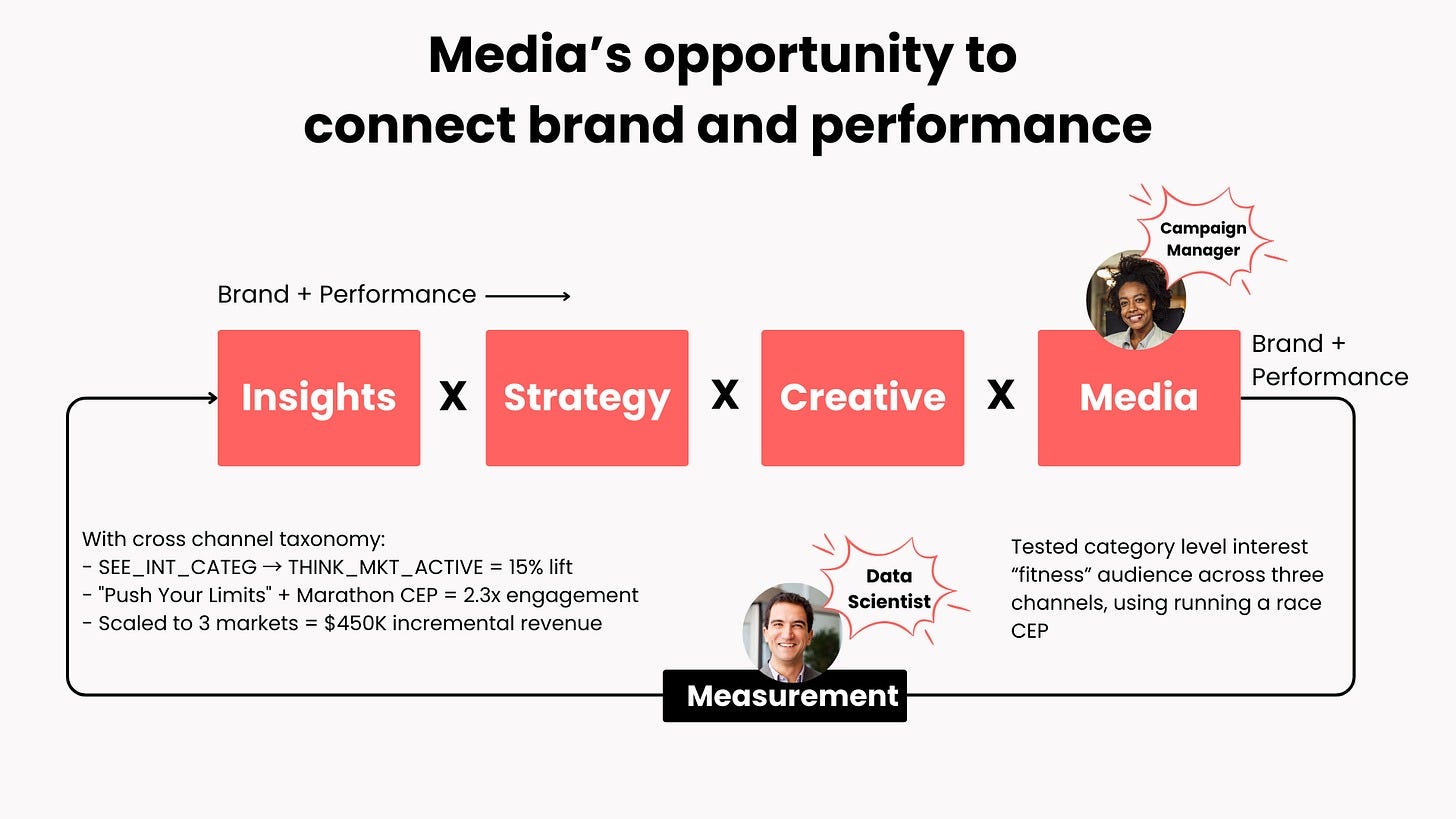
Fig. 1.4 Connecting Strategy to Data Science. The figures here and in the text below are illustrative.
As shown in Fig. 1.4, the equation requires every function to be aligned. This structural alignment has become even more critical with the increased accessibility of Marketing Mix Modelling (MMM). While MMM is a powerful tool for capturing what is working across the marketing mix, the model is only as effective as the data it consumes.
If the input is fragmented, the output remains a high-level abstraction. However, when the model is fed structured campaign data, it can finally isolate the impact of different audience mindsets. This allows the business to move beyond total ROAS and mathematically calculate the 15% incrementality lift that occurs when Brand activity creates the demand that Performance eventually captures.
Standardising the Taxonomy for Growth
The path to proving incrementality lies in the discipline of the ad account setup. By using consistent naming conventions—such as Brand_Category_Interest versus Perf_InMarket_Active—across all platforms, teams create the necessary data points to isolate how Brand activity feeds the Performance funnel.
Connecting these elements requires an operational transition through four stages, resolving the “Doom Loop” into the compounding “Growth Loop” shown at the start of this article:
- Breaking Silos: Moving away from fragmented KPIs where Brand and Performance operate independently.
- Standardising the Overlay: Implementing a unified taxonomy—bringing “control to media”—by grouping diverse platform activities into a single measurable environment.
- Proving the Link: Using metadata standardisation to reveal the incremental uplift, creating a direct line of sight from Brand exposure to Sales conversion.
- Compounding Growth: Using MMM to calculate total business impact, shifting from short-term platform metrics to total Market Share.
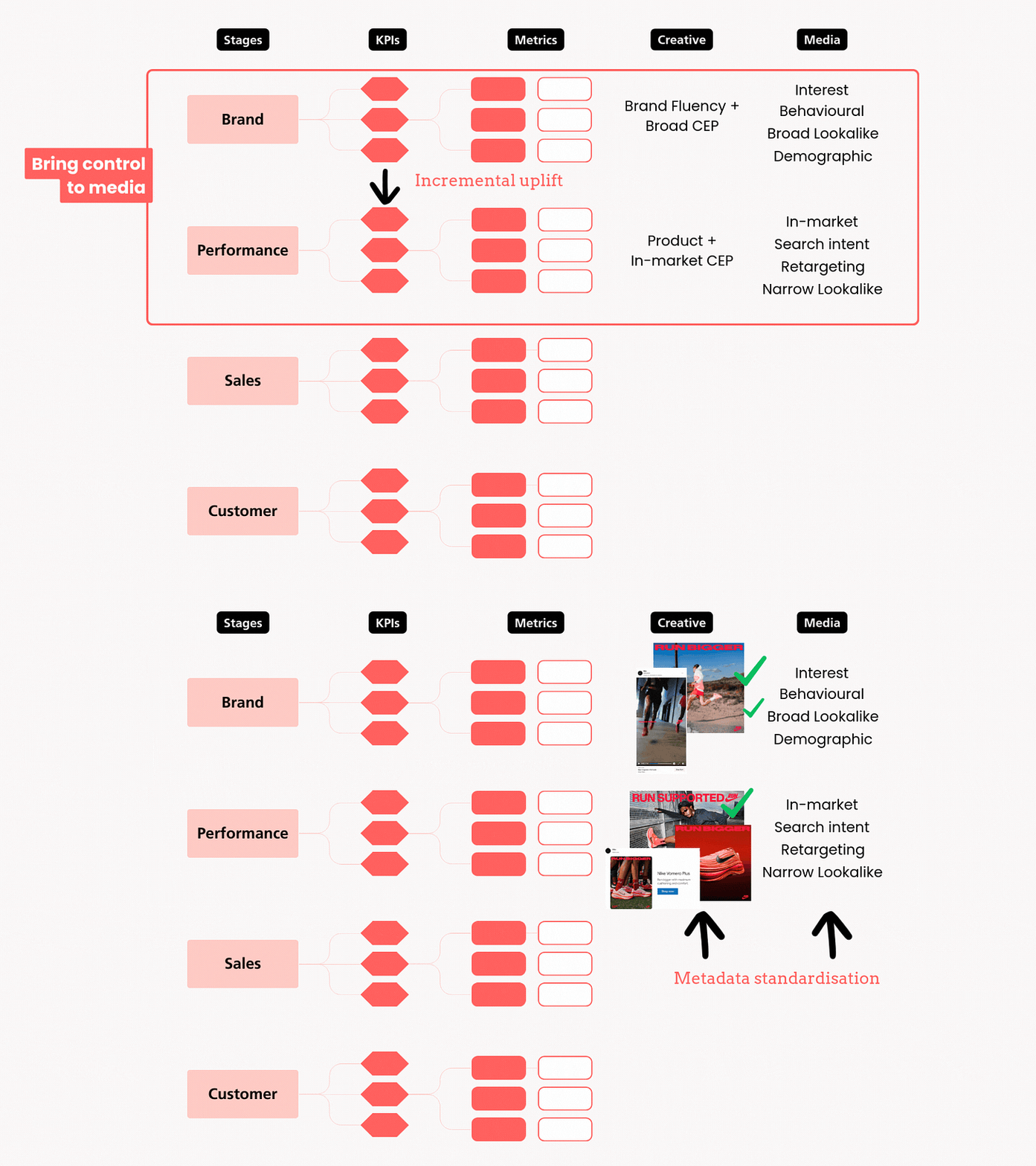
Fig. 1.5
As visualised in Fig. 1.5, this transition transforms the campaign setup from an administrative task into a strategic asset. When every impression is tagged with its intended role in the user journey, the resulting dataset allows for the granular visibility required to scale beyond a performance plateau.
Conclusion: Reclaiming the Growth Loop
The “Doom Loop” is not an inevitability, but a symptom of fragmented data. By implementing a unified cross-channel taxonomy and ensuring your campaign data is “MMM-ready”, you move from a state of defensive reporting to offensive strategy.
As we saw in the initial comparison in Fig 1.1, the objective is to move away from the plateau of saturated performance segments and toward a compounding system. When campaign setup is treated as the foundation for measurement, rather than an administrative afterthought, digital media ceases to be a cost centre and becomes a reliable, scalable engine for market share signals.
Three Steps to MMM Readiness
To transition to a compounding system, a media team must address the structural integrity of their ad accounts:
- Standardise Naming Logic: Audit naming conventions across Meta, Google, and TikTok. Use a unified “Mindset” tag (e.g.,
BRD_CATEGvsPRF_MKT) to aggregate data. - Verify Creative Alignment: Ensure broad audiences are not being served price-and-product creative. Brand campaigns must build memory structures, not just captures intent.
- Evaluate Metadata for Modelling: Ensure campaign metadata is granular enough for an MMM to distinguish between category-level mental availability and performance related physical availability, whether that is digital or traditional.